
🎧 Listen to this article (full narration)

hat is the perfect question. It's the bridge between theory and effective action.

You've understood the "Law of the Minimum"—that growth is limited by the scarcest resource. Therefore, the "best" way to apply minerals is to use a holistic approach that ensures a complete and balanced spectrum, preventing any single mineral from becoming that "shortest stave" in the barrel.
This is achieved not with a single product, but with a multi-layered strategy. Here is the best way to think about it, from the foundational layer to the final optimization.
The Golden Rule: Feed the Soil, Not Just the Plant
The most effective, sustainable, and resilient way to provide balanced nutrition is to cultivate a thriving soil ecosystem. Healthy soil is teeming with microbial life (bacteria, fungi, protozoa) that acts as a "digestive system," breaking down complex materials and delivering minerals to plant roots in a usable form.
Tier 1: The Foundation - Consistent Organic Matter
This is the single most important thing you can do. It's the base of the entire pyramid.
- What to Use: High-quality, finished compost.
- How to Apply: Mix it into your soil when creating new beds, and add it as a top dressing to existing beds once or twice a year.
-
Why it's "Best":
- Full-Spectrum: Compost contains a vast range of macro- and micronutrients released from the breakdown of diverse organic materials.
- Feeds the Biome: It provides food for the soil microbes, which in turn feed your plants.
- Improves Soil Structure: It enhances water retention and aeration, making it easier for roots to access the nutrients that are present.
Tier 2: The Broad-Spectrum Boost - The "Multi-Vitamin" Approach
While compost is the foundation, certain amendments are exceptional at providing a very wide range of trace minerals to fill any gaps. Use these once or twice a year.
-
Option A: Kelp / Seaweed Extract
- What it is: Dehydrated seaweed or liquid extract.
- How to Apply: Can be mixed into the soil as a meal or, more commonly, used as a liquid foliar spray or soil drench.
- Why it's "Best": The ocean contains virtually every known mineral. Seaweed absorbs this incredibly diverse mineral profile. It's also rich in natural plant growth hormones that stimulate root development and overall vigor.
-
Option B: Glacial or Volcanic Rock Dust (Azomite is a popular brand)
- What it is: Finely ground-up rock from glacial moraines or volcanic deposits.
- How to Apply: Sprinkled onto the soil and gently raked in.
- Why it's "Best": It is a slow-release source of a huge spectrum of trace minerals (often 70+). It re-mineralizes soil that has been depleted over time, providing the raw geological building blocks of life.
Tier 3: The Precision Strike - Targeted Amendments
This tier is for addressing a known deficiency, which you can identify through a soil test or by observing specific plant symptoms.
-
How it Works: If a soil test reveals you are critically low on a specific mineral (and only then), you can add a targeted amendment.
- Example 1: If you have a confirmed magnesium deficiency (common for tomatoes), a small amount of Epsom salts (magnesium sulfate) can be a quick fix.
- Example 2: If you have a confirmed boron deficiency, a tiny, carefully measured amount of Borax can be used. (Caution is critical here, as toxicity is a major risk).
The Final Layer: The "Efficiency Upgrade"
This is where a substance like Ormus fits in.

- What it is: The "Architect and Master Crew."
- How it Works: Ormus is not a bulk fertilizer or a simple mineral supplement. It doesn't provide the bricks (Nitrogen) or even all the screws (trace minerals).
- Its Role: Ormus is believed to optimize the plant's ability to absorb and utilize all the minerals that you've provided through compost, kelp, and rock dust. It enhances the plant's "operating system," allowing it to find and use the available nutrients with incredible efficiency. It makes the entire system work better.
Summary of the Strategy
| Layer | What to Use | Role | Analogy |
|---|---|---|---|
| Foundation | Compost / Organic Matter | Feeds the soil life; provides a balanced base. | The Healthy Meal |
| Broad-Spectrum | Kelp / Rock Dust | Fills any gaps with a wide range of trace minerals. | The Multi-Vitamin |
| Precision Strike | Specific Mineral Amendments | Fixes a specific, known, critical deficiency. | The Prescription Medicine |
| Efficiency Upgrade | Ormus | Helps the plant use all available nutrients better. | The Operating System Upgrade |
By following this layered approach, you are not just dumping materials on your plants; you are creating a resilient, thriving ecosystem where the "Law of the Minimum" is much less likely to become a problem.
The Science of Ormus Minerals
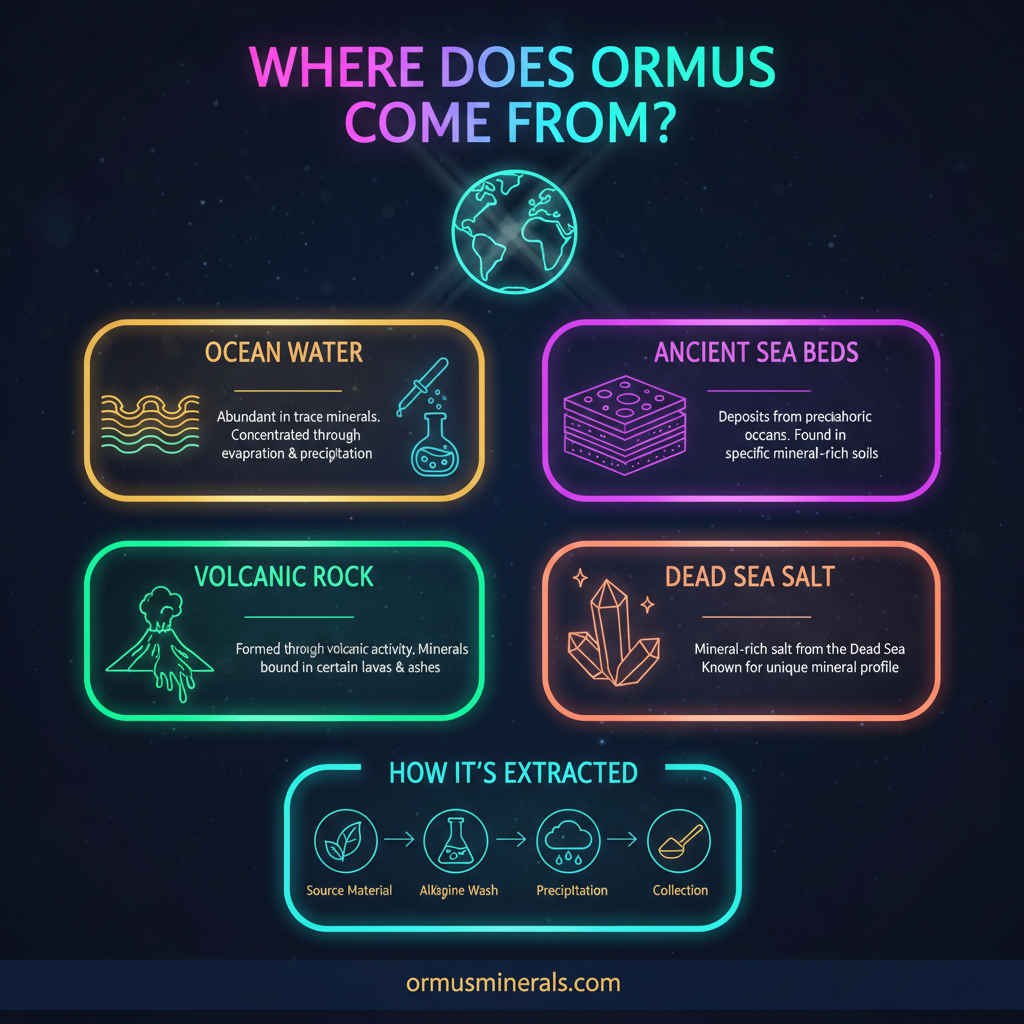
Ormus minerals, also known as orbitally rearranged monoatomic elements (ORMEs), represent a unique class of naturally occurring minerals found in seawater and mineral-rich geological deposits. These elements include gold, platinum group metals, and other trace minerals in a bioavailable form that the body can readily absorb. The mineral composition of Ormus supplements is derived from the mineral-rich Dead Sea and Atlantic Ocean, providing a complete spectrum of over 90 trace elements in naturally balanced ratios. This comprehensive mineral profile supports cellular function, energy production, and overall wellness in ways that isolated mineral supplements cannot match.
How to Use Ormus Minerals
The recommended dosage for Ormus mineral supplements is 4 drops, 4 times daily, taken under the tongue or mixed with water. Consistency is key - most users report noticeable benefits within 2-3 weeks of daily use. It is recommended to start low and go slow when beginning Ormus supplementation, allowing your body to adjust to the increased mineral intake. Staying well hydrated supports the bodys natural detoxification pathways as mineral levels increase. Visit our beginners usage guide for detailed protocol information.