
Quick Summary
Magnesium-based products are a common alternative to muscle recovery sprays, sold as sprays, roll-ons and oils. Botanicals like arnica, ginger and turmeric offer warming, targeted options, while cramps and acute strains need hydration or medical assessment rather than any topical. Patch-test first and check labels for fragrance and essential oils.
- Magnesium sprays suit large areas like legs and back, while roll-ons suit single targeted spots.
- Arnica is among the more studied botanicals, but evidence for muscle soreness is mixed.
- Patch-test a small area for 24 hours before using arnica, since it can cause contact dermatitis.
- Cramps are usually treated first with hydration, electrolytes and gentle stretching, not topicals.
- An acute strain with swelling, bruising or weakness needs professional assessment rather than a spray.
Table of Contents
- Why People Look for Alternatives to Synthetic Muscle Recovery Sprays
- Magnesium Recovery Spray Options as a Topical Alternative
- Botanical and Anti-Inflammatory Options: Arnica, Ginger and Turmeric
- Natural Muscle Relaxant Supplements and What the Evidence Shows
- Choosing a Muscle Pain Relief Cream by Symptom and Goal
- Non-Topical Recovery Basics and Alternative Treatments for Muscle Injury
- Safety Checks and Label Reading Before You Start Your Next Recovery Routine
- Frequently Asked Questions
Why People Look for Alternatives to Synthetic Muscle Recovery Sprays
Many active adults want a topical option, such as muscle recovery sprays, for sore muscles without a long list of synthetic ingredients. The question is which alternatives actually fit that need, and what each one can and cannot do.
A synthetic recovery spray usually combines menthol, camphor or a counterirritant with fragrance and preservatives. Some people react poorly to those ingredients, and others simply prefer a simpler formula. Reading the label is the fastest way to see what you are putting on your skin.

Here is the practical framing for the rest of this article. Each option is judged on four points: what goes into it, how it is applied, how quickly you can expect a result, and where it falls short. Many businesses and wellness shoppers start with the same question: which format fits my routine?
Magnesium Recovery Spray Options as a Topical Alternative
Magnesium is one common mineral-based alternative to synthetic sprays.
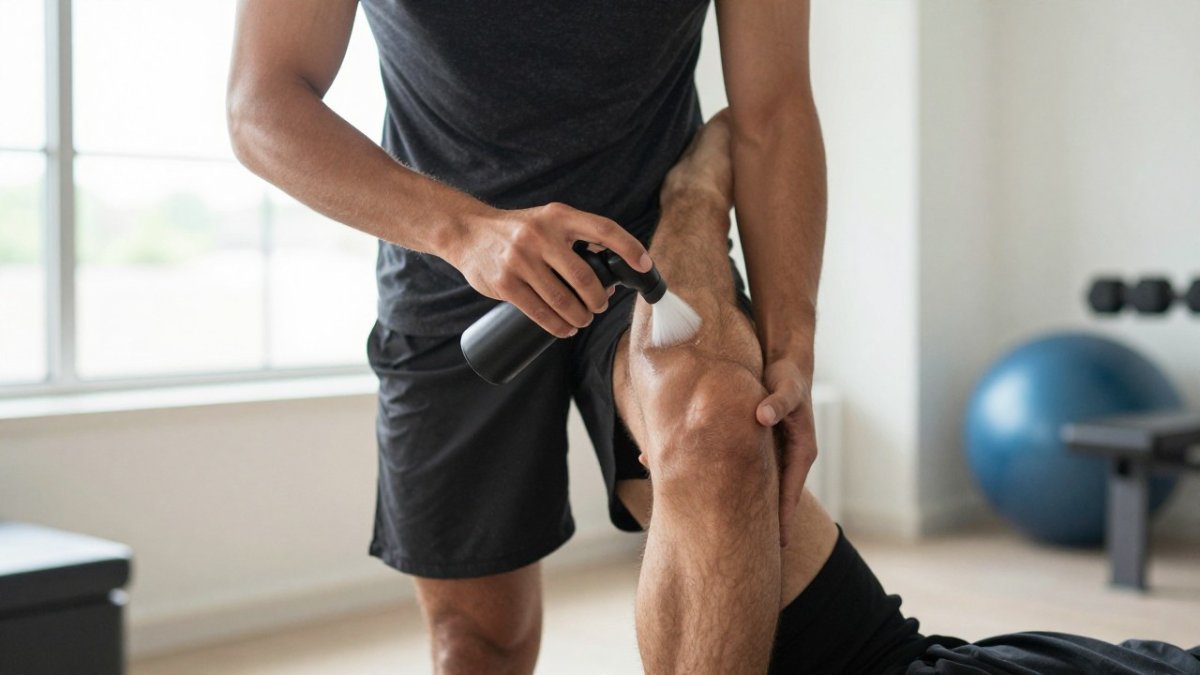
Topical magnesium products are usually sold in three formats: sprays, roll-ons and oils. The format changes how the product feels and how much you use, but the active mineral is the same. Keep in mind that products of this kind are a routine addition, not a medical treatment.
Comparing Magnesium Chloride Sprays, Roll-Ons and Dew Sprays
Each format suits a different habit:
| Format | Best for | Feel on skin | Typical use |
|---|---|---|---|
| Magnesium oil spray | Larger muscle areas like legs and back | Light oily film, may tingle | Spray 4 to 8 pumps and massage in |
| Roll-on | Targeted spots like calves, shoulders, neck | Controlled application, less mess | Roll over the area and rub in |
| Dew spray | Daily light refreshment after showers or workouts | Thin mist, minimal residue | Spray and massage until absorbed |
Our Magnesium Dew Roll-On with Ormus 3oz suits targeted application, while Magnesium Oil Dew works well for a lighter daily mist. If you want a spray for larger areas, consider Pure Magnesium Oil w Ormus.
A mild tingling sensation on first use is normal with some of our magnesium oil products, as the directions note. If the skin stays irritated, stop using the product and rinse the area.

Botanical and Anti-Inflammatory Options: Arnica, Ginger and Turmeric
Plant-based topicals are the second-biggest category of synthetic-spray substitutes, but they are not interchangeable. Each botanical has a different proposed mechanism, a different evidence base, and a different set of skin-sensitivity risks. The practical move is to grade each one before you buy.
A simple three-tier evidence scale helps. Tier 1 means multiple human trials support a modest effect. Tier 2 means small or mixed human trials with a plausible mechanism. Tier 3 means traditional use or laboratory data only. Most botanical rubs sit in Tier 2 or Tier 3, and that is fine as long as you set expectations accordingly.
Arnica (Arnica montana). Arnica is among the more studied botanicals for topical muscle soreness. Its flowers contain helenalin, a sesquiterpene lactone associated with contact dermatitis, one of arnica's main risks. Evidence is mixed, some trials report reduced soreness versus placebo, others find no meaningful difference. Arnica is not for broken skin, and people with ragweed or daisy-family allergies are more likely to react. A patch test on the inner forearm for 24 hours is the standard precaution.
Ginger (Zingiber officinale). Ginger oil is often diluted in a carrier oil because undiluted oils can irritate skin. Ginger is better framed as a warming massage oil than as a stand-alone recovery treatment.
Turmeric (Curcuma longa) and curcumin. Check the label for the concentration of turmeric or curcumin rather than relying on the word "turmeric" alone.
How to read a botanical label. Ingredients are listed in descending order by weight, so the first five entries tell you most of what you need to know. Look for a standardized extract percentage (for example, "arnica 10% extract") rather than a generic "arnica oil." Check for fragrance, essential oils, and preservatives if your skin is reactive. Avoid products that promise to "cure" soreness.
Where botanicals fit versus a magnesium spray. Botanicals are often chosen for a warming or soothing sensory effect and for targeted application. Neither is a substitute for sleep, load management, or medical care for an actual strain. If you want a single product for post-workout legs and back, a magnesium spray is the more practical format; if you want a warming rub for a stiff shoulder, an arnica or ginger balm is the better fit.
Watch out: essential-oil burns and contact dermatitis are the most common botanical complaints, and they usually come from undiluted oils or from applying a product before heat or occlusion. Stop use and rinse if redness persists beyond a few hours.
Natural Muscle Relaxant Supplements and What the Evidence Shows
Oral supplements such as magnesium, tart cherry and certain amino acids are often marketed for muscle recovery, and the evidence varies.
Check the National Institutes of Health Office of Dietary Supplements fact sheet on magnesium before starting any new mineral. Dosage limits and interactions matter, especially for people on prescription medication. Our mineral supplements for athlete recovery are described in more detail in Mineral Supplements for Athlete Recovery: A Complete Guide.
Choosing a Muscle Pain Relief Cream by Symptom and Goal
Most articles treat "sore muscles" as one problem. It is not. Post-workout soreness, a cramp, an acute strain, and general stiffness have different timelines and different best-fit alternatives. This section is the decision guide the top results are missing: match the symptom to the format, the timing, and the expected effect.
Post-workout soreness (delayed-onset muscle soreness, 24 to 72 hours after training). This is the most common use case for a recovery spray alternative. The goal is comfort and routine, not treatment. Best-fit formats: a magnesium spray for larger areas (legs, back), a roll-on for a single sore muscle, or an arnica gel at 5% to 10% extract for a targeted spot. Apply after a shower or before bed. Sleep, protein intake, and a gradual training progression are also part of a sensible routine.
Cramps (sudden, involuntary contraction). Cramps are a different problem from soreness, and topical rubs are not the first-line answer. Common first steps include hydration, electrolyte intake, and gentle stretching. A warming rub or magnesium spray can be used on the surrounding muscle for comfort, but it will not reliably stop an active cramp. If cramps are frequent, recurrent, or occur at rest, that is a reason to see a clinician rather than to buy a stronger spray.
Acute strain (sudden pull, sharp pain, swelling, or loss of strength). This is the case where topicals should not be the plan. A strain with swelling, bruising, or weakness needs assessment. A common early approach to strains is rest, ice, compression, and elevation, with a gradual return to movement. A topical product may be used on intact skin for comfort, but it is not a treatment for the injury. The American Academy of Orthopaedic Surgeons guidance on muscle strains explains when imaging or professional evaluation is warranted.
General stiffness (morning tightness, desk-related neck and shoulder tension). This is where a light mist or a warming balm fits best. Some readers use a magnesium dew spray after a shower, or a warming balm on the neck and shoulders, as part of a routine. Movement, heat and massage are common alternatives here.
A quick comparison by use case. For large areas and daily routine, a magnesium spray is the most practical spray substitute. For a single muscle and controlled dosing, a roll-on or a 5% to 10% arnica gel is the better fit. For a warming sensory effect before or after activity, a diluted ginger or turmeric balm works. For an acute strain, none of these replaces assessment and relative rest. For cramps, hydration and electrolytes come first.
What to check before you buy. Confirm the active ingredient and its concentration, not just the botanical name. Check the full ingredient list for fragrance, essential oils, and preservatives if your skin is reactive. Note the format: sprays cover area quickly but waste product; roll-ons dose precisely but are slow on large areas; creams and balms stay put but can stain clothing. Read the directions and do not apply to broken skin or mucous membranes.
Watch out: a product marketed for "all muscle pain" is usually a compromise. If your main problem is an acute strain or recurrent cramps, the right next step is a clinician, not a different spray.
Non-Topical Recovery Basics and Alternative Treatments for Muscle Injury
Topicals work best alongside the basics: sleep, hydration, progressive training load and rest days. For an actual muscle injury, see a clinician rather than relying on any spray or supplement.
Many people also use heat, gentle movement, massage or physical therapy for recovery. The American Academy of Orthopaedic Surgeons guidance on muscle strains explains when a strain needs professional assessment. For a broader look at mineral-based recovery, read Natural Muscle Recovery Basics.
Safety Checks and Label Reading Before You Start Your Next Recovery Routine
Before you use any alternative, run through a short checklist:
- Patch-test a small area for 24 hours
- Check the ingredient list for essential oils you may react to
- Avoid broken or irritated skin and mucous membranes
- Ask a pharmacist or doctor about interactions if you take prescription medication
- Stop use and seek care if irritation or unusual symptoms appear
Essential oils and concentrated minerals can cause skin reactions in some people. The U.S. Food and Drug Administration guidance on topical products explains what labels should and should not claim. Our products carry the standard statement that they have not been evaluated by the FDA and are not intended to diagnose, treat, cure or prevent any disease.
Choose the format, check the label, and start with a small amount. That routine will tell you more than any marketing claim.
Last Updated: November 10, 2026
Frequently Asked Questions
What can I do instead of muscle relaxers?
Many people start with non-drug routines: gentle stretching, heat or cold application, massage, and staying active within comfortable limits. Topical options such as magnesium sprays or creams can be added for localized comfort. Because muscle relaxer prescriptions treat specific conditions, anyone currently taking one should talk with their prescriber before changing the plan, especially if soreness is severe or persistent.
What is the best spray for muscle pain?
The best spray depends on what you want from it. The Ormus Minerals Pure Magnesium Oil Advanced Pain Relief 4oz is listed at $20.00 and contains dew water, magnesium chloride and essential oils. Compare ingredient lists and size, and note that these products have not been evaluated by the FDA and are not intended to diagnose, treat, cure or prevent any disease.
Do magnesium sprays help with muscle recovery?
Some people use a magnesium spray for post-workout comfort as part of a routine that includes sleep, hydration and rest days.
When should I seek medical care for muscle pain?
See a clinician if pain follows an injury, comes with swelling, numbness, weakness, redness or warmth, lasts more than a few days without improvement, or appears alongside fever. Topical products are not a substitute for diagnosis. If you take medications or have a medical condition, check with your healthcare provider before adding any new topical or supplement.

0 comments