
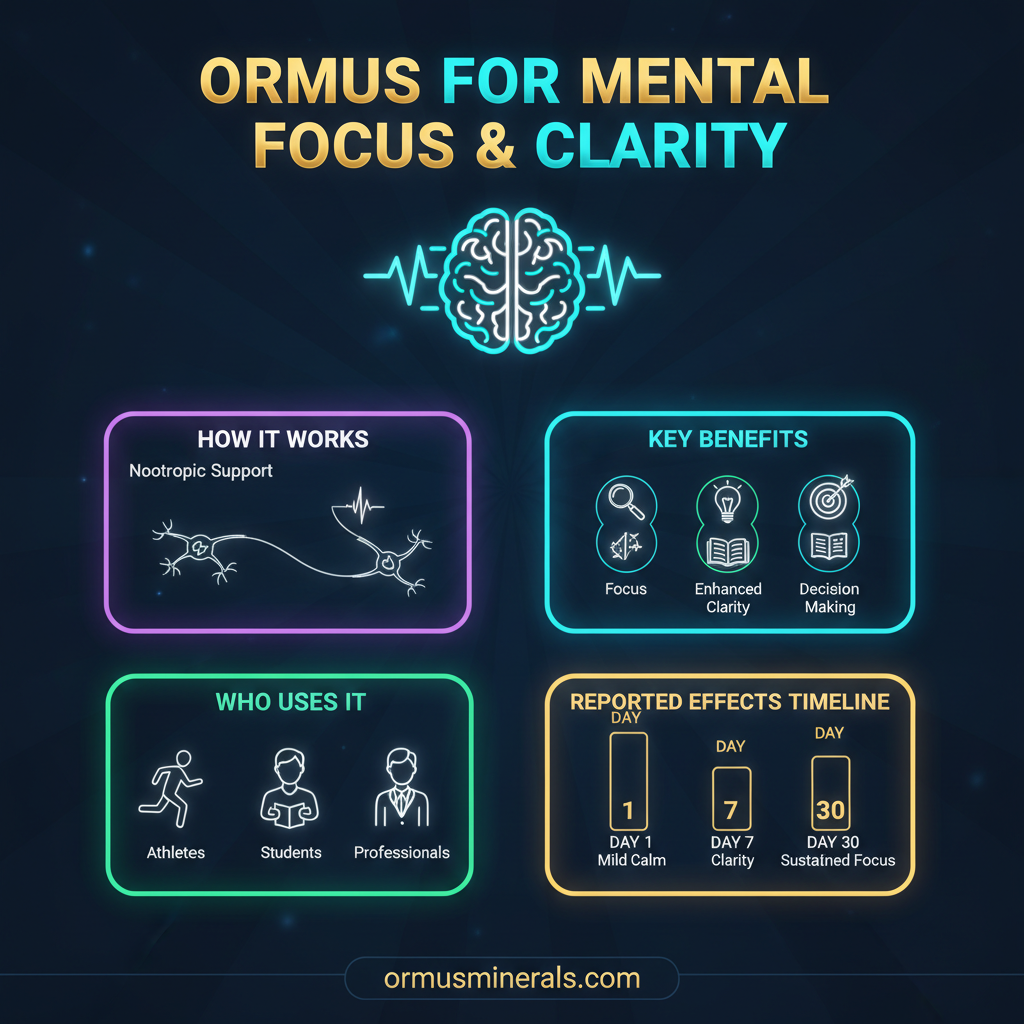

What Is Monoatomic Gold?
Monoatomic gold — also written as monatomic gold — is gold that exists as single, isolated atoms rather than in the clustered metallic form we normally associate with the element. In its standard form, gold atoms bond together in large groups to create the shiny metal we recognize. In its monoatomic state, each atom stands alone, and this changes its physical and energetic properties entirely.
Monoatomic gold is also known by several other names: Ormus gold, m-state gold, white powder gold, and sometimes by the acronym ORME (Orbitally Rearranged Monoatomic Element). It is found naturally in small concentrations in ocean water, volcanic soil, and certain mineral-rich spring waters.
The Science Behind Monoatomic Gold
The modern discovery of monoatomic elements is largely attributed to David Hudson, an Arizona farmer who in the 1970s and 1980s identified unusual materials in his soil that did not behave like standard metallic compounds. Hudson spent years and significant resources having these materials analyzed, eventually filing patents under the name Orbitally Rearranged Monoatomic Elements.
From a chemistry standpoint, when transition metals like gold exist in a monoatomic state, their electron orbitals are rearranged in ways that give them properties distinct from their metallic counterparts. These include different conductivity characteristics, different reactivity profiles, and — according to researchers in this field — unique interactions with biological systems.
Mainstream science has not fully validated all the claims made about monoatomic gold, but interest in superconducting materials, quantum biology, and the behavior of single atoms continues to grow in academic research. The field of nanotechnology has increasingly confirmed that materials behave very differently at the single-atom scale.
Reported Benefits of Monoatomic Gold
Users and practitioners who work with monoatomic gold supplements report a consistent range of effects. These are experiential accounts and should be understood in that context — but the consistency across thousands of users makes them worth noting.
Enhanced Mental Clarity
The most widely reported benefit of monoatomic gold is a noticeable improvement in mental clarity, focus, and cognitive sharpness. Many users describe it as a lifting of mental fog — thoughts becoming cleaner, more organized, and more accessible. This effect is often reported within the first few weeks of consistent use.
Heightened Awareness and Perception
Some users describe a heightened sensory awareness — colors appearing more vivid, sounds more distinct, and an overall sharpening of perception. This is often paired with a sense of presence and attentiveness that feels qualitatively different from stimulant-based focus.
Emotional Stability
Monoatomic gold is frequently associated with emotional grounding and calm. Users report feeling less reactive to stress, more emotionally centered, and more resilient in challenging situations. It is used by meditators and spiritual practitioners for this quality of inner stillness.
Cellular Energy and Vitality
On a physical level, monoatomic gold is said to support cellular energy production and overall vitality. Users report improved stamina, faster physical recovery, and a general sense of feeling more alive and capable. This is thought to relate to gold's potential role in supporting mitochondrial efficiency.
Deep Sleep and Vivid Dreams
Evening use of monoatomic gold is popular among people seeking improved sleep quality. Many report deeper, more restorative sleep cycles and an increase in vivid, memorable dreams — a phenomenon often associated with increased REM activity.
Spiritual and Intuitive Development
Throughout history, gold has been associated with the highest levels of consciousness, spiritual attainment, and divine connection. Many modern users of monoatomic gold report enhanced intuition, a greater sense of inner knowing, and experiences during meditation that feel more profound and accessible than before.
How Monoatomic Gold Is Used
Monoatomic gold supplements are most commonly available as liquid concentrates. They are typically taken sublingually — held under the tongue for 30–60 seconds before swallowing — to allow for faster absorption directly into the bloodstream.
General usage guidelines:
- Starting dose: Begin with a small amount (half a teaspoon or less) and increase gradually as you assess your response.
- Timing: Morning use supports focus and energy; evening use supports sleep and dream activity.
- Consistency: Most users report the most significant effects after 3–6 weeks of daily use.
- Storage: Keep away from strong electromagnetic fields, direct sunlight, and extreme temperatures.
Monoatomic Gold Through History
The use of gold for health and spiritual purposes is ancient. Egyptian texts describe a mysterious white powder made from gold that was consumed by pharaohs and high priests to enhance spiritual power and longevity. Alchemists across medieval Europe sought what they called the Philosopher's Stone — widely believed to involve gold in a transformed state — as the ultimate agent of physical and spiritual transmutation.
In Ayurvedic medicine, a preparation called Swarna Bhasma (gold ash) has been used for centuries to support cognitive function, vitality, and longevity. These traditions, separated by thousands of miles and centuries of time, all converge on the same idea: gold in a non-metallic, highly refined state has profound effects on human health and consciousness.
Choosing a Quality Monoatomic Gold Supplement
The quality of monoatomic gold supplements varies significantly between producers. Key things to look for:
- Ocean-sourced minerals — natural ocean water provides the cleanest, most complete mineral matrix for monoatomic gold extraction.
- Cold-process extraction — heat can degrade the energetic properties of m-state elements.
- No metallic gold — true monoatomic gold should not contain colloidal or metallic gold particles.
- Transparent labeling — reputable producers are clear about their source material and process.
✦ Ready to experience it? ✦
Start with our most popular formula
Discover the world's most mineral-dense supplement — from Atlantic Ocean water and Dead Sea salt.
🚚 Free US shipping on orders over $50 · Use code ORMUS10 for 10% off your first order
0 comments