A Beginner's Guide to Ormus: Unlocking a World of Mystery
Have you ever felt there’s more to life than what your everyday energy level, mood, or clarity seem to reflect?
Many people sense a gap between how they’re functioning and how they’re meant to feel—clear, energized, deeply connected. That quiet intuition has driven seekers, healers, and alchemists for centuries to look for ways to “upgrade” the human experience.
One of the most intriguing substances to re-emerge from that search is Ormus.
You may have heard Ormus described in almost mythical terms: “liquid light,” “white gold,” “the Philosopher’s Stone,” or “the missing link” between physical and spiritual wellness. The stories can sound mysterious—even unbelievable—until you start to understand what Ormus actually is and why so many people are talking about it.
This guide is your friendly, down‑to‑earth introduction to Ormus—what it is, where it comes from, how people use it, and how to decide if it’s something you’d like to explore for yourself.
What Is Ormus?
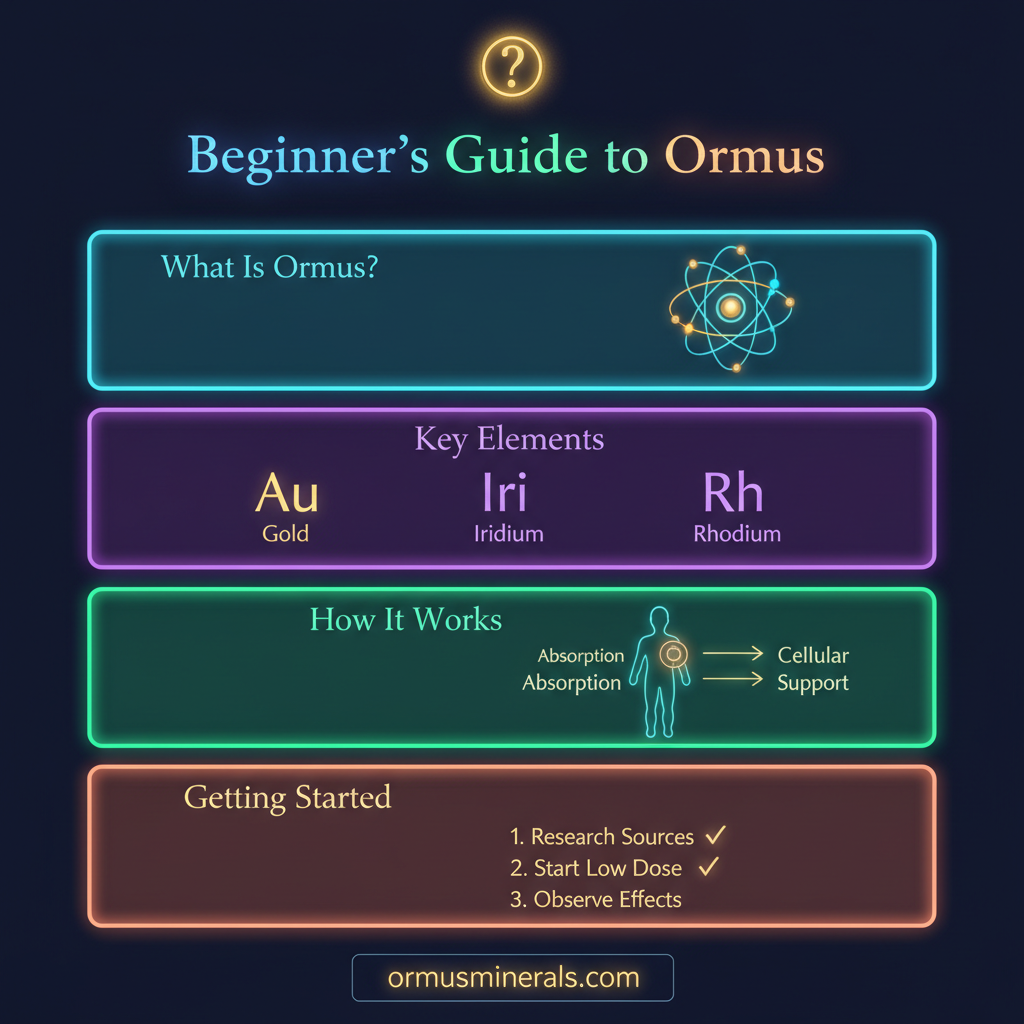
“Ormus” is a modern name for a class of minerals sometimes called ORMEs, short for Orbitally Rearranged Monoatomic Elements.
In simple terms, Ormus refers to certain minerals (like gold, platinum, iridium, rhodium, and others) that are believed to exist in a special, non‑metallic state. In this state, they don’t behave like normal metals. Instead of forming a shiny, solid metal structure, they appear as a fine, almost ceramic-like or milky substance and are thought to have very unusual energetic properties.
Key ideas behind Ormus:
- It’s rich in essential and trace minerals.
- These minerals are believed to be in a unique “high‑spin” or monoatomic state.
- In this form, they may interact with the body in a way that goes beyond basic nutrition, supporting energy flow, clarity, and overall coherence in the nervous system.
While mainstream science has not fully validated all of these claims, thousands of people around the world use Ormus and report powerful changes in how they feel—physically, mentally, and spiritually.
A Brief History: From Ancient Alchemy to Modern Rediscovery
The idea of a special “life‑enhancing substance” is not new.
Across different cultures and eras, we find echoes of Ormus-like ideas:
- Ancient alchemists spoke of mysterious white powders and “philosophical” preparations believed to support longevity and spiritual awakening.
- Egyptian, Sumerian, and other early traditions referenced sacred preparations linked to the gods, enlightenment, and higher consciousness.
- In the 20th century, experimenters like David Hudson claimed to rediscover a similar class of materials in certain soils and mineral deposits, coining the term ORMEs.
Modern Ormus makers use concentrated mineral sources—such as Dead Sea salt and ocean water—to extract these subtle, highly refined mineral forms. While the language has changed, the core idea is the same: a special form of matter that may act as a bridge between physical replenishment and deeper energetic/spiritual effects.
What Do People Use Ormus For?
People are drawn to Ormus for different reasons, but most uses fall into a few main themes. While experiences vary from person to person, many users report:
1. Mental Clarity and Focus
One of the most common reports is a noticeable sharpening of the mind:
- Less “brain fog”
- Easier concentration
- Greater ability to stay present
- More creative, fluid thinking
For people who feel mentally scattered, Ormus can feel like someone gently “turned the lights on” in their mind.
2. Calm, Centered Energy
Unlike stimulants, Ormus isn’t about a jittery rush. Many users describe:
- Steadier, more sustainable energy
- A calmer nervous system
- Feeling more grounded yet alert
It’s often described as “calm focus” rather than “hyped‑up energy.”
3. Emotional Balance and Resilience
Because Ormus is believed to support smoother communication within the nervous system, people frequently notice:
- Less reactivity
- More emotional stability
- A deeper sense of inner peace
They may still experience stress—but feel more able to respond rather than just react.
4. Spiritual Connection and Inner Work
A large number of Ormus users are meditators, energy workers, or people on a spiritual path. They often report:
- Deeper meditative states
- Easier access to stillness and silence
- Heightened intuition
- Feeling more “in tune” with themselves and life
For many, Ormus becomes a gentle ally in meditation, prayer, breathwork, or other inner practices.
5. Physical Vitality and Recovery
Some people also notice shifts in the body:
- Better overall stamina
- Faster post‑exercise recovery
- A general feeling of “aliveness”
Again, these are anecdotal reports, not medical claims—but they’re part of why Ormus continues to gain attention.
Ormus and Plants: The Garden Test
One of the most visible ways Ormus is used is in the garden.
When added to soil or used as a foliar spray, many growers report:
- Stronger, more resilient plants
- Deeper green leaves
- More abundant flowers and fruit
- Bigger yields and improved vigor
Because plants don’t have expectations or belief systems, gardeners often see Ormus as a simple, visual test: something changes in the way their plants grow. This plant response is part of what makes many people curious about what Ormus might do in the human body as well.
How Is Ormus Made?
Ormus is typically produced from mineral‑rich sources such as:
- Dead Sea salt
- Ocean water
- Certain volcanic salts or mineral deposits
A careful wet‑chemistry process is then used to separate out and concentrate the subtle mineral fraction believed to contain the Ormus elements. This is a delicate process that requires:
- Correct pH control
- Slow, patient precipitation and washing
- Attention to purity and energetic handling
Different makers use different techniques, but quality Ormus generally starts with:
- Clean, potent mineral sources
- Careful preparation
- Respect for both the chemistry and the subtle energetic nature of the material
How Do People Take Ormus?
Most Ormus for personal use comes in liquid form, usually as a milky or slightly cloudy suspension.
Common practices include:

- Taking a small dose (often ½–1 teaspoon) once or twice per day
- First thing in the morning, sometimes again in the evening
- Holding an intention (clarity, peace, focus, healing) while taking it
- Starting low and adjusting slowly based on how you feel
For plants, it’s often:
- Diluted into water and applied as a soil drench
0 comments