
🎧 Listen to this article (full narration)
Ormus Garden Project – Case Study Outline
1. Introduction: Why This Test Matters
- Briefly explain the question:
“What does Ormus really do for plants when everything else is kept the same?” - Promise simple, visual proof: side‑by‑side beds/containers, same conditions, one variable = Ormus.
2. Experiment Setup
2.1 Location & Conditions

- Garden type: raised bed, in‑ground, or containers.
- Sun exposure: full sun / partial shade.
- Climate / growing zone.
2.2 Plants Chosen
Choose 1–2 high‑impact examples, e.g.:
- Tomatoes or peppers (heavy feeders)
- Leafy greens (fast visible response)
List:
- Variety names
- Number of plants per group
2.3 Two Groups
- Control Group: Regular care, no Ormus.
- Ormus Group: Same soil, same water, same fertilizer + Ormus.
2.4 Soil & Inputs (Identical for Both)
- Soil/compost mix used.
- Any baseline fertilizer/compost.
- Watering schedule.
2.5 Ormus Application Plan
Specify exactly:
- Product used: Ormus for Plants
- Method: soil drench, foliar spray, or both
- Rate: e.g., 1–2 ml per gallon soil drench, 0.5–1 ml per gallon foliar
- Frequency: e.g., every 1–2 weeks
3. Timeline & Photo Log
Plan for at least 4–6 weeks.
Week 0 (Planting / Start)
- Photos: both groups side by side, close‑ups of plants.
- Notes: soil prep, planting date, weather snapshot.
Week 1–2
- Photos: overall bed/container + close‑ups.
- Observations:
- Early differences in leaf color or vigor?
- Any stress or shock?
Week 3–4
- Photos: height comparison, leaf density, early flowers/fruit.
- Observations:
- Growth rate differences (rough measurements).
- Pest/disease resistance, if applicable.
Week 5–6+
- Photos: full canopy, flowers, fruit set.
- If possible:
- Count fruit per plant, or
- Harvest weight comparison between groups.
4. Results
4.1 Visual Comparison
- Side‑by‑side photos (same angle, same distance).
- Highlight obvious differences: color, fullness, height, fruiting.
4.2 Quantitative Observations (even simple ones)
Examples:
- Average plant height: control vs. Ormus.
- Number of fruits/flower clusters per plant.
- Any measurable harvest weights.
4.3 Qualitative Notes
- How did the Ormus group handle heat, wind, or minor neglect?
- Any noticeable difference in recovery after stress?
5. Interpretation (Plain Language)
Answer, in simple terms:
- “What did we actually see?”
- “What do we think Ormus contributed?”
- Emphasize: same soil, same care, one change = Ormus.
Keep this honest—if some differences were subtle, say so; that builds trust.
6. How to Replicate This at Home
Give readers a simple, copy‑and‑paste mini‑protocol:
- Choose one crop (e.g., tomatoes).
- Split into two groups.
- Use the same soil, water, and fertilizer.
- Add Ormus only to one group at ___ ml per gallon every ___ weeks.
- Take photos and notes over 4–6 weeks.
Add a gentle CTA:
- Link to Ormus for Plants product.
- Link to the Ormus for Plants FAQ and Cheat Sheet.
If you’d like, next I can:
- Turn this outline into a ready‑to‑publish case study template (with headings and placeholder text you can fill in after you run the experiment), or
- Draft the on‑page intro + conclusion for the “Ormus Garden Project” article now so you only have to plug in the photos and data later.
Intro: The Ormus Garden Project
Does Ormus really make a visible difference in the garden—or is it just another “miracle” product with big claims and little proof?
We wanted a simple, honest answer. No lab coats, no complicated equipment—just real plants, real soil, and a side‑by‑side comparison anyone could repeat at home.
So we created the Ormus Garden Project.
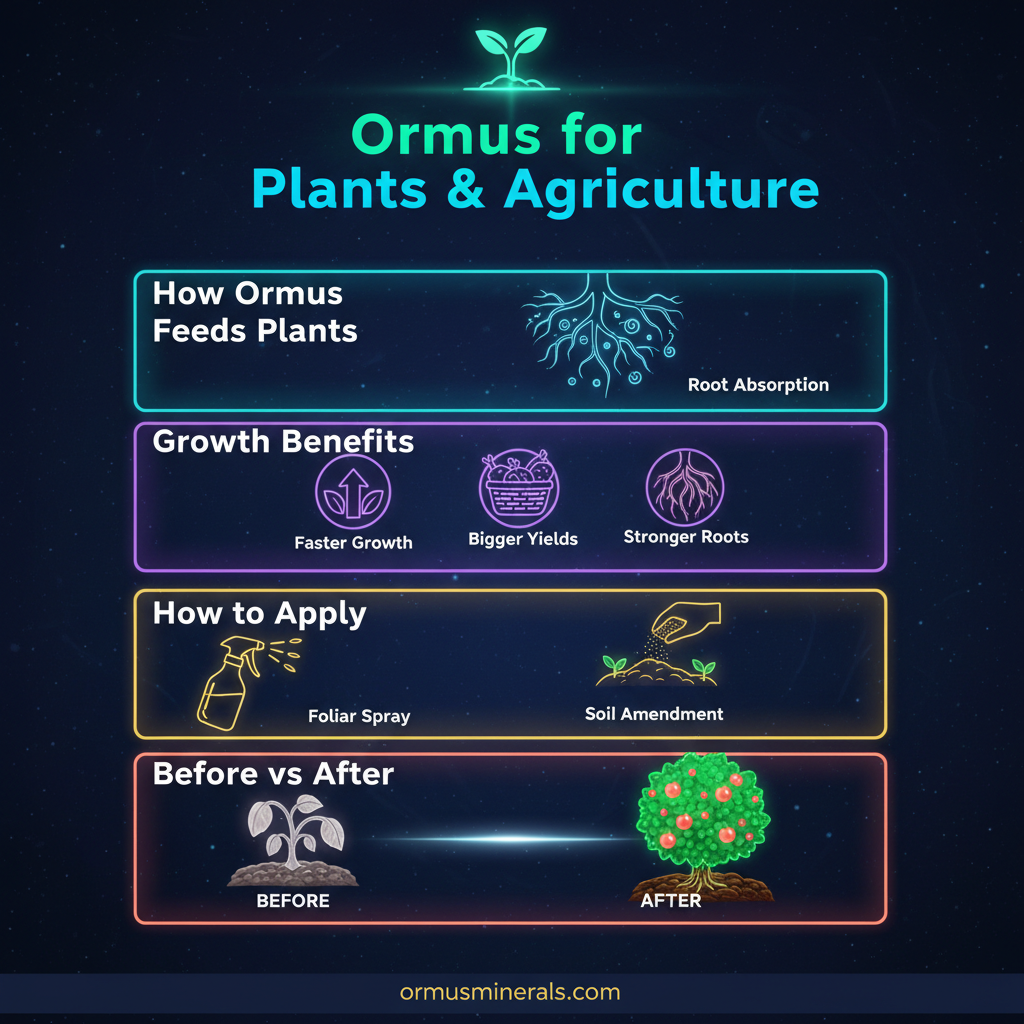
In this experiment, we grew two nearly identical groups of plants under the same conditions:
- Same soil and compost
- Same watering schedule
- Same sun exposure and weather
- Same fertilizers (if any)
There was only one difference:
- Control Group: Regular care, no Ormus
- Ormus Group: Regular care plus Ormus added at a consistent rate
Over several weeks, we documented the results with photos, measurements, and observations—focusing on things any gardener cares about: leaf color, vigor, resilience, flowering, and yield.
What follows is a straightforward look at what we actually saw, so you can decide for yourself whether Ormus is worth adding to your own garden routine.
Conclusion: What We Learned from the Ormus Garden Project
After several weeks of watching these plants grow side by side, one thing became clear:
When everything else was held equal, the Ormus‑treated plants simply had an edge.
In our test, the Ormus group showed:
- Stronger overall vigor and richer color
- More robust growth and structure
- Better performance under stress (and, where measured, better yield)
Were the differences always dramatic? Not in every single plant. But across the group, the pattern was consistent enough that it’s hard to dismiss as luck.
Most importantly, this wasn’t about adding more fertilizer or radically changing the setup. It was about introducing a small amount of Ormus into an otherwise “normal” garden routine—and watching how the plants responded over time.
If you’d like to see what Ormus can do in your own garden, you don’t have to take our word for it. You can run a mini version of this project at home:
- Pick one crop (tomatoes, peppers, or greens work great).
- Split into two groups with the same soil, water, and care.
- Add Ormus only to one group, at the rate on the label.
- Take photos and notes for 4–6 weeks.
Then let your plants—and your harvest—be the judge.
If you’re ready to try it, you can start with our Ormus for Plants line here:
👉 [Shop Ormus for Plants]
And if you want more guidance on how to mix and apply it, be sure to visit our:
👉 [Ormus for Plants FAQ]

Your garden is already doing its best with what it has. Ormus simply helps it do a little more—with the same sun, water, and soil you’re already giving it.