
🎧 Listen to this article (full narration)


Which Plants Benefit Most from Ormus? A Gardener's Guide
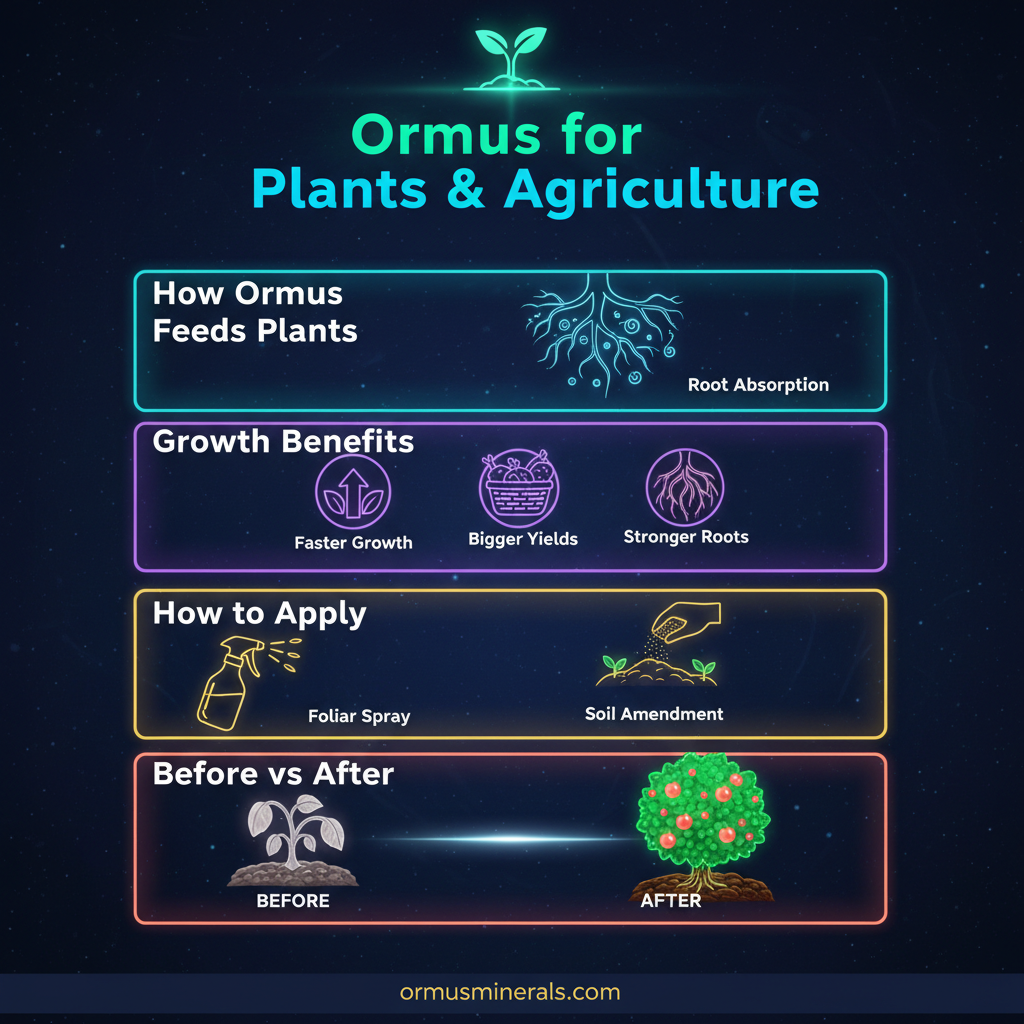
We've explored the incredible benefits and simple application methods of Ormus. Now, let's get specific. While it's believed that all plant life can benefit from the full-spectrum mineral charge of Ormus, some types of plants show particularly dramatic and rewarding results.
Whether you're tending a small kitchen garden or a vast floral landscape, understanding where Ormus has the greatest impact can help you prioritize its use for maximum effect. Here’s a look at the Ormus plants that tend to thrive with this monoatomic boost.
1. Heavy-Feeding Vegetables and Fruits
Some plants are simply hungrier than others. These "heavy feeders" rapidly consume nutrients from the soil to produce their large, nutrient-dense fruits and vegetables. Ormus can be a game-changer for this group.
- Examples: Tomatoes, peppers, corn, squash, cucumbers, melons, and pumpkins.
- Why Ormus Helps: Because Ormus enhances nutrient uptake, it acts like a supercharger for these demanding plants. It helps them absorb the large amounts of calcium, magnesium, and other minerals they need to produce a bountiful harvest. Gardeners often report not just more fruit, but larger, more flavorful, and more perfectly formed fruit from their Ormus-fed plants.
2. Leafy Greens
For plants where the leaf is the harvest, vitality is everything. You want lush, vibrant, and healthy greens.
- Examples: Lettuce, spinach, kale, chard, and herbs like basil and parsley.
- Why Ormus Helps: The enhanced mineral absorption provided by Ormus translates directly into healthier chlorophyll production. This results in visibly deeper green leaves, a sign of a plant that is photosynthesizing efficiently. The improved cellular structure also leads to crisper, more nutrient-rich leaves with a longer shelf life after harvesting.
3. Flowering and Ornamental Plants
If you grow flowers, your goal is vibrant color, abundant blooms, and strong, healthy stems. This is another area where Ormus can make a stunning difference.
- Examples: Roses, hydrangeas, dahlias, orchids, and annual bedding plants.
- Why Ormus Helps: Flower production is an energy-intensive process that requires a wide array of trace minerals. By providing these minerals in a highly bioavailable form, Ormus gives these plants the resources they need to create more numerous, larger, and more intensely colored blossoms. Users often note that flowers last longer on the plant and as cut flowers.
4. Root Crops
For plants that do their most important work underground, healthy root development is paramount.
- Examples: Carrots, potatoes, beets, radishes, and garlic.
- Why Ormus Helps: Applying Ormus as a soil drench directly nourishes the root zone. The minerals support the complex biological processes in the soil, fostering a healthy environment for roots to grow strong and deep. This leads to larger, more well-developed root vegetables and bulbs.
5. Stressed or Struggling Plants
Perhaps one of the most powerful uses of Ormus is as a restorative tonic for plants that are struggling.

- Examples: Plants suffering from transplant shock, nutrient deficiencies, or environmental stress.
- Why Ormus Helps: When a plant is stressed, its ability to absorb nutrients can be compromised. An Ormus foliar spray can provide a gentle, direct infusion of essential minerals, bypassing the stressed root system and giving the plant the energy it needs to recover. It can be the helping hand that coaxes a struggling plant back to vibrant health.
While nearly any plant in your garden stands to benefit from Ormus, focusing on these groups can give you the most dramatic and satisfying results. Happy gardening